Alberta's climate punishes vehicles in ways that most car owners never anticipate. Temperatures plunging below -30°C, relentless road salt, freeze-thaw cycles, and UV-heavy summers create a perfect storm of wear and tear that shortens the life of dozens of components. This comprehensive guide breaks down the most commonly replaced auto parts specific to Calgary and Alberta driving, so you know what to watch, when to act, and how to keep your vehicle in top shape.
How We Determined the Most Commonly Replaced Parts
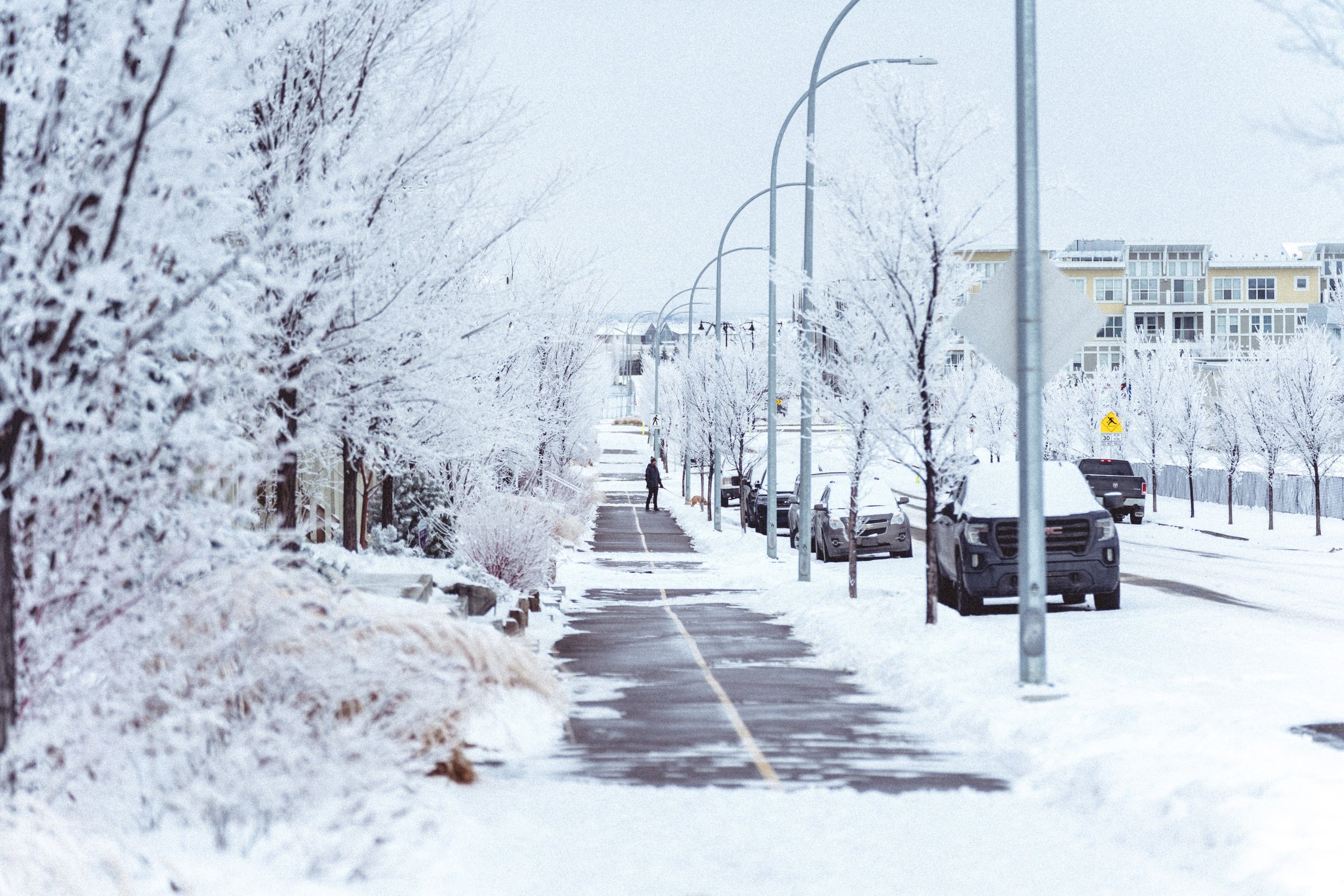
We ranked these replaced components using several criteria: replacement frequency per vehicle per year, climate stress multipliers unique to Alberta, and real service data from our technicians at CMP Auto alongside national industry statistics. Extreme temperature swings, heavy road salt exposure around wheel wells and underbody panels, and a mix of city stop-and-go with rural gravel driving all accelerate how fast parts wear out here. We also considered both mileage intervals and time-based degradation, because rubber, fluids, and electrical components age even when your car sits parked. Parts typically last shorter in Alberta than national averages suggest.
Top 10 Most Commonly Replaced Auto Parts in Alberta
1. Brake Pads
Brake pads create the friction that stops your vehicle, and brake components face significant friction and heat during every stop. Brake pads need replacement every three to five years, or roughly every 30,000 to 70,000 miles depending on conditions.
Why It Stands Out: Brakes are the single most safety-critical and frequently serviced component. Calgary shops report front pads lasting just 30,000–45,000 km in city driving due to winter braking and salt corrosion on hardware. Brake rotors should be replaced if they show significant scoring or warping from thermal cycling. Brake calipers can be remanufactured, saving 85% of the energy needed to produce new ones-an option worth discussing with your technician. Regular maintenance items include brakes, filters, and batteries, and your driving style directly determines pad longevity.
2. Car Batteries
Your battery powers everything from ignition to heated seats. Car batteries typically last three to five years, but Alberta's cold compresses that window dramatically.
Why It Stands Out: At -20°C, battery capacity drops to roughly 40% of its rating while cranking demand increases about 50%. Signs of battery failure include slow engine cranking, dim headlights, and trouble starting on cold mornings. Batteries contain approximately 8 kg of lead and toxic acids, making proper recycling essential. A reconditioned battery can deliver 90% of new performance, though for Alberta winters we recommend fresh quality parts rated at 750+ CCA. Battery life also decreases in high temperature regions, so summer heat contributes damage too.
3. Tires
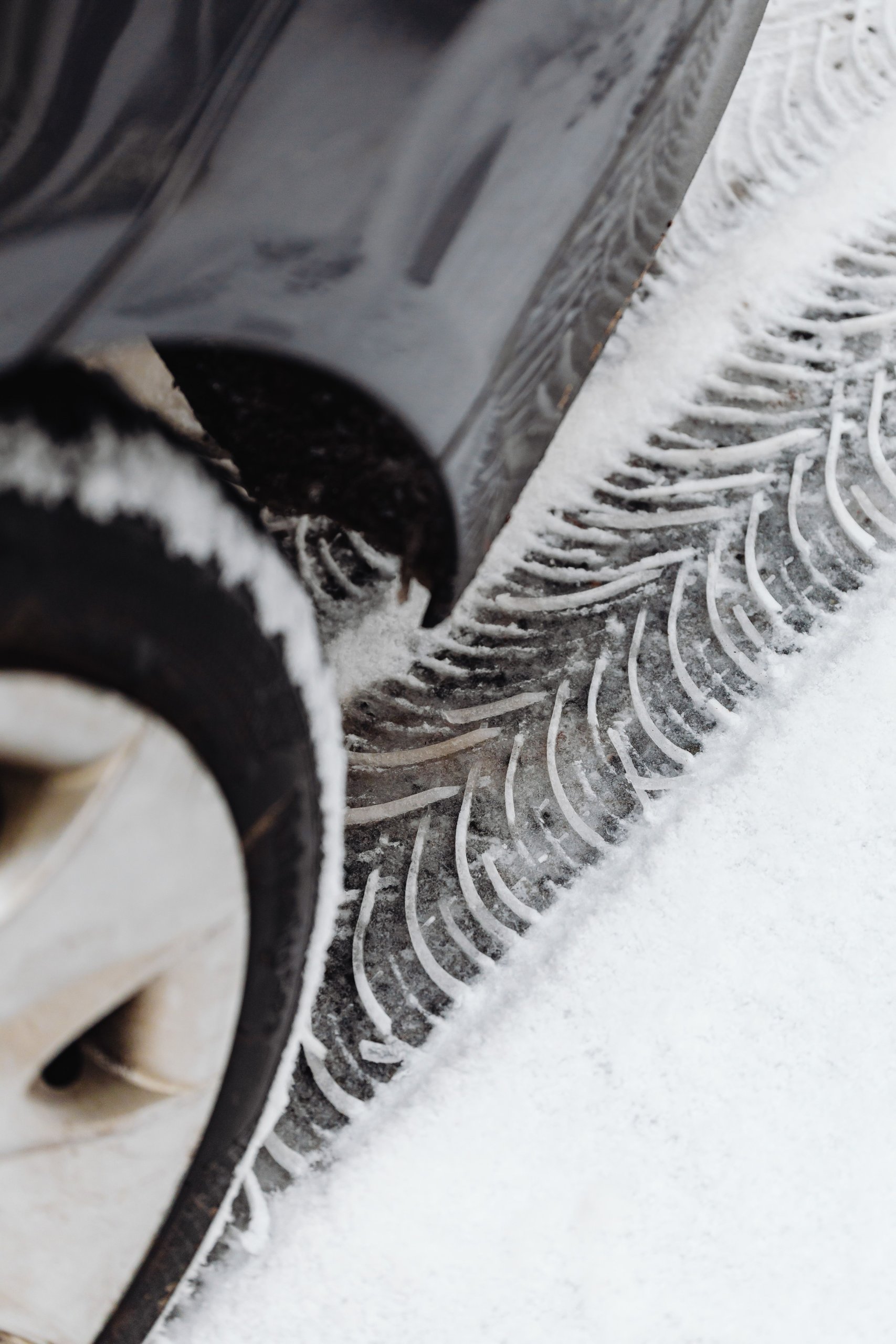
Tires experience constant road contact, leading to frequent replacements-and Alberta's seasonal demands double that burden. Most tires last for 80,000 km or five to seven years under moderate conditions.
Why It Stands Out: While Alberta doesn't legally mandate winter tires, they're strongly recommended and most vehicle owners run dedicated sets. Winter tire compounds degrade faster, typically lasting three to five seasons. Proper tire inflation improves fuel efficiency and safety; expect to lose roughly 1 PSI per 5°C temperature drop. Tires should be replaced every five to seven years regardless of remaining tread depth, as rubber compounds harden and lose grip over time.
4. Wiper Blades
Windshield wiper blades clear rain and debris from the windshield, and in Alberta they also battle ice, grit, and UV exposure year-round.
Why It Stands Out: Harsh winters and summer UV crack rubber quickly, making windshield wipers one of the most frequently replaced small parts. Replace annually-or twice a year if visibility deteriorates during spring melt. These are inexpensive replacement parts that play a crucial role in night driving safety and storm conditions.
5. Air Filters
Engine air filters prevent dirt from entering the engine, protecting internal components from abrasive damage. Cabin air filters trap pollen and dust to maintain cabin air quality. Oil filters protect the engine from contaminants during operation.
Why It Stands Out: Dusty rural routes in southern Alberta clog filters faster. Air filters should be replaced every 48,000 to 80,000 km, though Alberta conditions often push that interval shorter. Neglecting filter replacement can reduce engine efficiency significantly. Reusable air filters can improve engine breathing and reduce waste for high-mileage drivers. Oxygen sensors, which optimize fuel efficiency and emissions, can also trigger a check engine light when a dirty air filter causes rich-running conditions. Don't overlook your oil change intervals either; clean engine oil paired with fresh oil filters keeps your engine running at peak performance.
6. Spark Plugs
Spark plugs generate the spark for engine ignition and play a direct role in cold-weather starting reliability. Modern spark plugs last about 160,000 km or eight years.
Why It Stands Out: Worn spark plugs can cause poor mileage and rough idling-problems that worsen in freezing temperatures when your engine already struggles. Spark plugs should be checked during scheduled maintenance. Replacing spark plugs can improve engine performance and fuel efficiency noticeably. While modern vehicles stretch intervals longer than older models, Alberta's cold-start demands mean ignition system health matters more here. Not applicable to electric vehicles, but essential for every gasoline-powered car and truck.
7. Belts (Timing and Serpentine)
Timing belts synchronize engine components for proper operation, while your serpentine belt transfers power to engine accessories like the alternator, water pump, and air conditioning compressor.
Why It Stands Out: Temperature extremes cause rubber to crack and harden. Timing belts typically last about 160,000 km and should be replaced every eight years. A timing belt failure can cause major engine damage-potentially catastrophic in some engine designs. The serpentine belt drives cooling system parts and your water pump, meaning a snapped belt can leave you stranded with an overheating engine. Belts require replacement on schedule regardless of how they look.
8. Headlights and Tail Lights
Headlights are essential for legal compliance and safety, especially during Alberta's long winter nights.
Why It Stands Out: Extended darkness increases bulb usage, while salt spray clouds lenses and corrodes assemblies. Night driving with dim or failed headlights creates serious risk. Bulb replacement is straightforward on most model years, though sealed LED assemblies may need professional installation. Keep lenses clear and replace bulbs at the first sign of dimming to maintain visibility.
9. Suspension Components
Suspension systems absorb road impact for driving comfort and handling control. Shock absorbers and bushings wear out on uneven roads-and Alberta has plenty of those.
Why It Stands Out: Most Albertans will spend an extra $64 a year on average to repair pothole-related damage to their vehicles. Suspension parts and steering components face accelerated wear from poor road conditions. Replacing suspension components improves vehicle stability and safety while extending tire life. Expect replacement around 80,000–120,000 km, sooner if you regularly drive damaged roads.
10. Alternator
Your alternator keeps the battery charged and powers all electrical systems while the engine runs.
Why It Stands Out: Winter driving demands-heater, defroster, heated seats, headlights-put enormous strain on your alternator. Sensors and electrical components rely on stable voltage. When an alternator starts to fail, you'll notice dimming lights and erratic electrical behavior. It can be misdiagnosed as a battery issue, so proper testing matters. Most alternators last 100,000–200,000 km, but moisture and road salt make Alberta units prone to earlier failure.
Quick Comparison of Replacement Priorities
| Part | Priority | Replacement Interval |
|---|---|---|
| Brake pads | Highest safety priority | 30,000–70,000 km |
| Car battery | Critical for winter reliability | Test annually after 3 years |
| Tires | Essential for traction | Every five to seven years or 80,000 km |
| Wiper blades | Visibility safety | Annually or when streaking |
| Air filter | Engine protection | Every 15,000–30,000 km |
| Spark plugs | Ignition reliability | ~160,000 km or 8 years |
| Belts | Prevent catastrophic failure | Timing: 100,000 miles; serpentine: 80,000–160,000 km |
| Headlights | Legal and safety compliance | At first sign of dimming |
| Suspension parts | Ride quality and tire longevity | 80,000–120,000 km |
| Alternator | Electrical system health | 100,000–200,000 km |
Other auto parts like exhaust components, catalytic converters, exhaust pipes, and the fuel pump also require replacement over your vehicle's life. Exhaust systems endure heat, moisture, and corrosion, while catalytic converters contain 3–7 grams of precious metals. Mufflers typically last 10 years or 160,000 km, and exhaust leaks can cause noise issues and reduced efficiency. The fuel tank and exhaust system should be inspected during underbody checks as well.
Which Replacement Strategy Is Best for You?
- Choose preventive replacement if you want to avoid roadside breakdowns and costly towing-especially critical for Alberta winters.
- Choose reactive replacement if you prefer to maximize part lifespan, but accept higher risk of sudden failure.
- Choose seasonal maintenance if you drive primarily in specific conditions and want to improve performance before each season.
For most Calgary drivers, a preventive approach centered on fall and spring inspections is the most cost-effective way to keep your car safe and reliable.
Final Thoughts
Visit CMP Auto to have our certified experts check your vehicle, and trust Kaizen Auto Parts for all your automotive replacement needs!
Every part on this list will eventually fail-it's a matter of when, not if. Prioritize safety-critical components like brakes, tires, and battery, and don't ignore the small parts that keep everything running smoothly. Proper maintenance isn't just about avoiding repair bills; it's about ensuring you and your passengers stay safe on Calgary's winter roads.
Visit any one of our dealerships today stay ahead of wear with seasonal inspections, honest diagnostics, and quality replacement parts matched to our climate. If any component on this list is overdue, book a maintenance appointment before the next cold snap-your vehicle will thank you.