Connect with us!

09-19-25

How to Improve Fuel Efficiency for Calgary Drivers

Struggling with high fuel costs? Discover how to improve fuel efficiency with actionable tips in this article. From optimizing your driving habits to regular vehicle maintenance, we’ve got you covered. Get ready to make every drop count.

Key Points

Regular vehicle maintenance, including checking brakes, tires, and motor oil, is key to maintaining optimal fuel economy. In addition, adopting smooth driving techniques like gentle acceleration and utilizing cruise control and ECO Mode can significantly improve your fuel efficiency. Finally, plan ahead when it comes to longer trips and reduce unnecessary weight to further save considerably on fuel costs.

Regular Vehicle Maintenance

A mechanic performing regular vehicle maintenance to enhance fuel efficiency.

Our team of GM-certified technicians has all the expertise and experience necessary to keep your car running in prime condition.

Bringing your vehicle in for regular vehicle maintenance at CMP Auto is the cornerstone of fuel efficiency. Neglecting routine checks and services can lead to increased fuel consumption and costly repairs down the road. That's why it's important to ensure your vehicle is serviced every six months or 8,000 km to maintain optimal performance and fuel economy. Small changes on the road and regular service intervals can significantly improve fuel economy.

Proper vehicle maintenance involves several key areas, including brakes, tires, and motor oil. Each of these components plays a critical role in how efficiently your vehicle uses fuel. Let's run through each in more detail below:

Brakes

Maintaining your vehicle’s brakes is not just about safety; it’s also about fuel efficiency. Worn brakes can increase drag, which negatively impacts fuel efficiency. Imagine trying to run with a heavy backpack pulling you back; that’s what your car experiences with faulty brakes. Using quality parts, like you can find at our parts department, ensures optimal performance and helps in maintaining better fuel efficiency.

Even a slight adjustment in brake pad positioning can enhance fuel efficiency by three to five percent. This small tweak can lead to noticeable fuel savings over time. Regular checks and maintenance of your brakes can prevent unnecessary drag, ensuring your vehicle runs smoothly and efficiently.

Regular brake maintenance can significantly boost fuel efficiency. It’s a straightforward yet impactful method to ensure your vehicle runs optimally while conserving fuel.

Tires

Your vehicle’s tires play a pivotal role in fuel efficiency. Properly adjusted tire pressure and wheel alignment reduces drag and increases efficiency. In addition, driving with low tire pressure puts more strain on your engine, consuming more fuel in the long run. Tires typically lose around 2% of their air pressure each month, necessitating regular checks to maintain optimal pressure.

Driving on the correct tires for the season is another crucial consideration. Seasonal tires provide the necessary traction and keep drag at bay, which in turn improves fuel efficiency. For example, winter tires offer better grip and reduce rolling resistance, which can lead to fuel savings.

Regular tire maintenance, including proper inflation and using the right tires, prevents premature wear and extends their lifespan. This practice saves money on replacements and ensures your vehicle operates efficiently.

Motor Oil

Using the correct viscosity of motor oil helps to minimize engines strain and improve fuel efficiency. Think of motor oil as the lifeblood of your engine; using the wrong type can lead to increased friction and reduced performance. Regular oil changes can significantly improve fuel efficiency by reducing engine friction.

Choosing the right motor oil for your specific vehicle ensures that your engine runs smoothly and efficiently. It helps in maintaining optimal performance and prevents unnecessary wear and tear on engine components. This small but essential aspect of vehicle maintenance can lead to noticeable fuel savings over time.

Regular oil changes and using the correct motor oil type significantly improve fuel efficiency. This simple step offers long-term benefits for both your vehicle’s fuel efficient vehicle and your finances, especially when considering the advantages of premium fuel.

Adopt Fuel Efficient Driving Techniques

A driver demonstrating fuel efficient driving techniques to improve fuel efficiency.

Driving smoothly in Calgary is good for both your fuel economy and your safety.

Ever noticed how some drivers in Calgary seem to glide smoothly down the road while others are constantly accelerating and braking? Those smooth drivers are practicing fuel-efficient driving techniques, a series of habits that can significantly reduce fuel consumption.

One of the simplest yet most effective techniques is gentle acceleration. Instead of flooring the accelerator pedal, take about five seconds to reach 20 km/h from a stop. This small adjustment can make a big difference in your car’s fuel efficiency, especially when compared to aggressive acceleration.

Maintaining a steady speed is another key aspect of fuel-efficient driving. Fluctuating speeds can increase fuel consumption by up to 20%. Using cruise control on highways is an excellent way to maintain a consistent speed and improve fuel efficiency. Additionally, anticipating traffic and maintaining a safe distance from other vehicles helps keep your speed steady and conserves fuel at the most fuel efficient temperature.

Reduce Unnecessary Weight

A car with unnecessary items being removed to reduce weight and improve fuel economy.

When it comes to packing properly for a fuel-efficient ride, sometimes less is more.

Carrying extra weight in your vehicle can have a surprisingly significant impact on vehicle’s fuel consumption. For every additional 25 kilograms you add onto your vehicle, your fuel consumption can increase by about 1%. Roof racks and carriers in particular, while useful for trips, also decrease aerodynamic drag and boost fuel efficiency by up to 20% when not in use.

Eliminating non-essential items from your more fuel efficient vehicle can lead to better fuel economy by reducing the overall weight. It’s a simple yet effective way to ensure your vehicle is running as efficiently as possible. Keeping your car light and streamlined enhances fuel efficiency, reduces fuel costs, and allows for less fuel consumption.

Use ECO Mode

ECO Mode is a feature in many modern vehicles designed to improve fuel efficiency by adjusting engine and transmission settings. It generally reduces throttle responsiveness and shifts to a lower gear and higher gears earlier to optimize fuel consumption. ECO Mode facilitates a smoother driving experience, encouraging fuel-efficient habits among drivers.

While ECO Mode can help save fuel, it’s important to understand its limitations. For instance, it may not provide measurable benefits in city or highway driving under certain conditions, particularly when you need quick acceleration to merge, or when you're driving through challenging weather or steep terrain. However, when used effectively, ECO Mode can contribute to significant fuel savings and a more fuel-efficient driving experience.

Plan Your Trips

A well-planned trip can significantly impact your fuel consumption. Combining errands into a single trip, for instance, allows your vehicle's engine to reach its ideal operating temperature, meaning fewer cold starts and more efficient fuel usage.

In addition, be sure to connect to Apple CarPlay and Android Auto (where available), as using navigation apps to plan your route ahead of time can help you avoid congested traffic and construction, reducing unnecessary mileage.

Consider an Electrified Vehicle

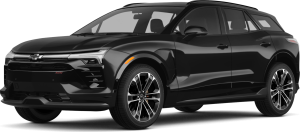
An electrified vehicle showcasing its features for improved fuel efficiency.

The Chevy Equinox EV is just one example of GM's lineup of EVs, which are built for eco-friendliness and fuel efficiency.

With fuel prices on the rise, many drivers are considering the switch to electrified vehicles. Hybrid and electric vehicles significantly lower fuel costs due to their efficient electric-drive components. CMP Auto offers a wide range of EV models, including the new Chevrolet Equinox EV and Silverado EV.

One of the major benefits of hybrid electric vehicles is their ability to reduce fuel consumption and greenhouse gas emissions. Plug-in hybrid electric vehicles (PHEVs) can run on electric power alone, producing no emissions in this mode. This makes them an excellent choice for environmentally conscious drivers looking to save on fuel costs.

The transition to electric vehicles can also enhance national energy security by diversifying energy sources. Considering an electrified vehicle offers significant fuel savings, reduces environmental impact, and supports a sustainable future.

Shop Fuel-Efficient Vehicles Today At CMP Auto

Time-lapse of cars on a Calgary road

Trust CMP Auto for your next fuel-efficient vehicle purchase!

Boosting your fuel efficiency isn’t just great for saving money—it’s also better for Calgary’s environment. By embracing smart driving habits, keeping your vehicle in top shape, trimming down any extra weight, regularly checking your tire pressure, using ECO Mode, planning your routes wisely, and thinking about switching to an electrified vehicle, you can really stretch your fuel further.

These straightforward tips can add up to noticeable fuel savings and make your driving around Calgary smoother and more enjoyable. So why wait? Start making these simple changes today and enjoy the perks of better fuel efficiency on the road ahead. For more information on how to get the best bang for your buck out of your vehicle, visit CMP Auto today to speak to a sales advisor.

Frequently Asked Questions

How does gentle acceleration improve fuel efficiency?

Gentle acceleration enhances fuel efficiency by keeping the engine from overexerting itself, allowing you to reach speeds smoothly and efficiently. So, the next time you hit the gas, remember to ease into it for better mileage!

Why is maintaining proper tire pressure important for fuel efficiency?

Keeping your tire pressure at the right level is crucial because it lowers rolling resistance, helping your vehicle use less fuel—potentially boosting your fuel efficiency by up to 3%. So, check those tires regularly!

How often should I service my vehicle to maintain optimal fuel efficiency?

To maintain optimal fuel efficiency, you should service your vehicle every six months or about 8,000 kilometers. Staying on top of this routine helps keep your ride running smoothly and efficiently!

What are the benefits of using ECO Mode in my vehicle?

Using ECO Mode in your vehicle can lead to better fuel efficiency and a smoother driving experience by optimizing engine and transmission settings. It's a simple way to save money at the pump while being kinder to the environment.

Why should I consider an electrified vehicle?

You should consider an electrified vehicle because they save you money on fuel, reduce emissions, and help create a more sustainable energy future. It's a smart choice for both your wallet and the planet!

Read More
CATEGORIES »
TAGS »

07-31-25

When Do I Need an Oil Change? A Comprehensive Guide

Consistent maintenance is vital to ensuring that your brand new or used vehicle runs in top condition for as long as possible.

One of the most important steps is to make sure you're getting regular oil changes from certified experts (like you'll find at our service centre here at CMP Auto!) You’ll discover the signs of old oil and recommended intervals in this guide. Keep your car’s engine in top shape by knowing when it’s time for an oil change.

Brief Summary

Look out for signs like increased engine noise, dark or dirty oil, the smell of oil in the cabin, and excessive exhaust smoke as indicators that your car needs an oil change.

Aside from this, it's important to follow the vehicle manufacturer's recommended oil change intervals, as well as schedule regular maintenance with the trusted service technicians at CMP Auto to ensure that your oil is swapped out at the right time.

In the long-run, this will maintain engine health, improve fuel efficiency, reduce wear and tear, and extend your vehicle’s lifespan.

Why Does My Vehicle Need An Oil Change?

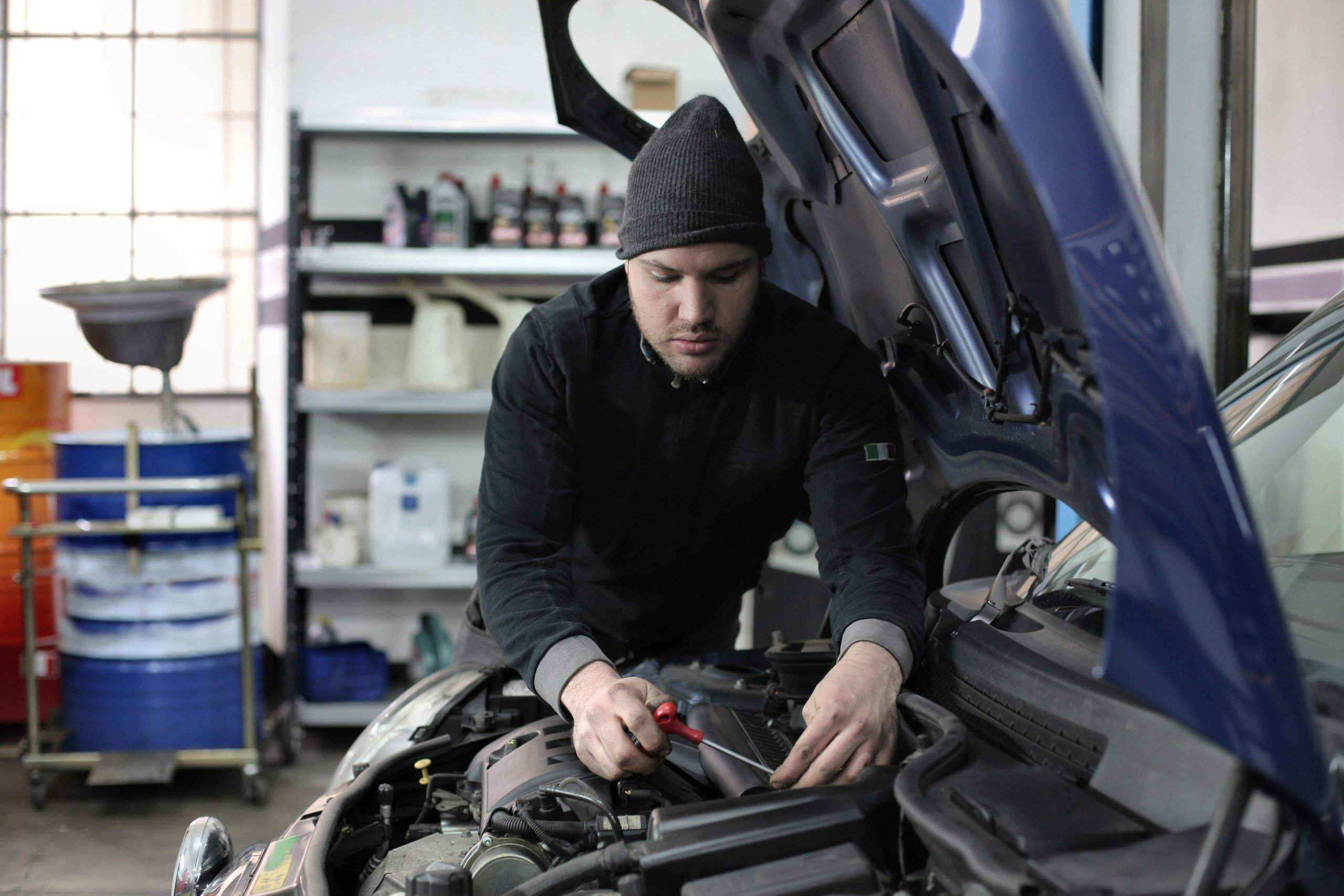
A mechanic examining a bottle of high-quality engine oil

The certified technicians at CMP Auto are always on hand to keep your car running in tip top shape, whether through a simple oil change or more extensive maintenance and service.

Frequent oil changes at CMP Auto are incredibly important for your vehicular health, especially for drivers in Calgary. The city's varied climate - with cold winters and hot summers - puts extra strain on your engine oil. Regular changes help protect and cool engine parts, prevent premature aging, and enhance overall performance, ensuring your vehicle handles Calgary's unique driving conditions smoothly.

Picking the right engine oil is key to making sure your car lasts longer and runs at its best. Clean oil keeps your engine running smoothly by reducing friction and wear. Oil changes help maintain your vehicle’s performance, improve fuel efficiency, and lessen the strain on your engine.

They also improve fuel efficiency by reducing engine workload. This means better gas mileage and less frequent trips to the pump, saving you money in the long run.

Finally, getting your oil changed helps reduce wear and tear, keeping your engine running longer. Clean oil ensures everything operates smoothly by minimizing friction and boosting overall engine performance. These advantages all add up to a healthier, longer-lasting engine.

What Are The Signs That Your Car Needs an Oil Change?

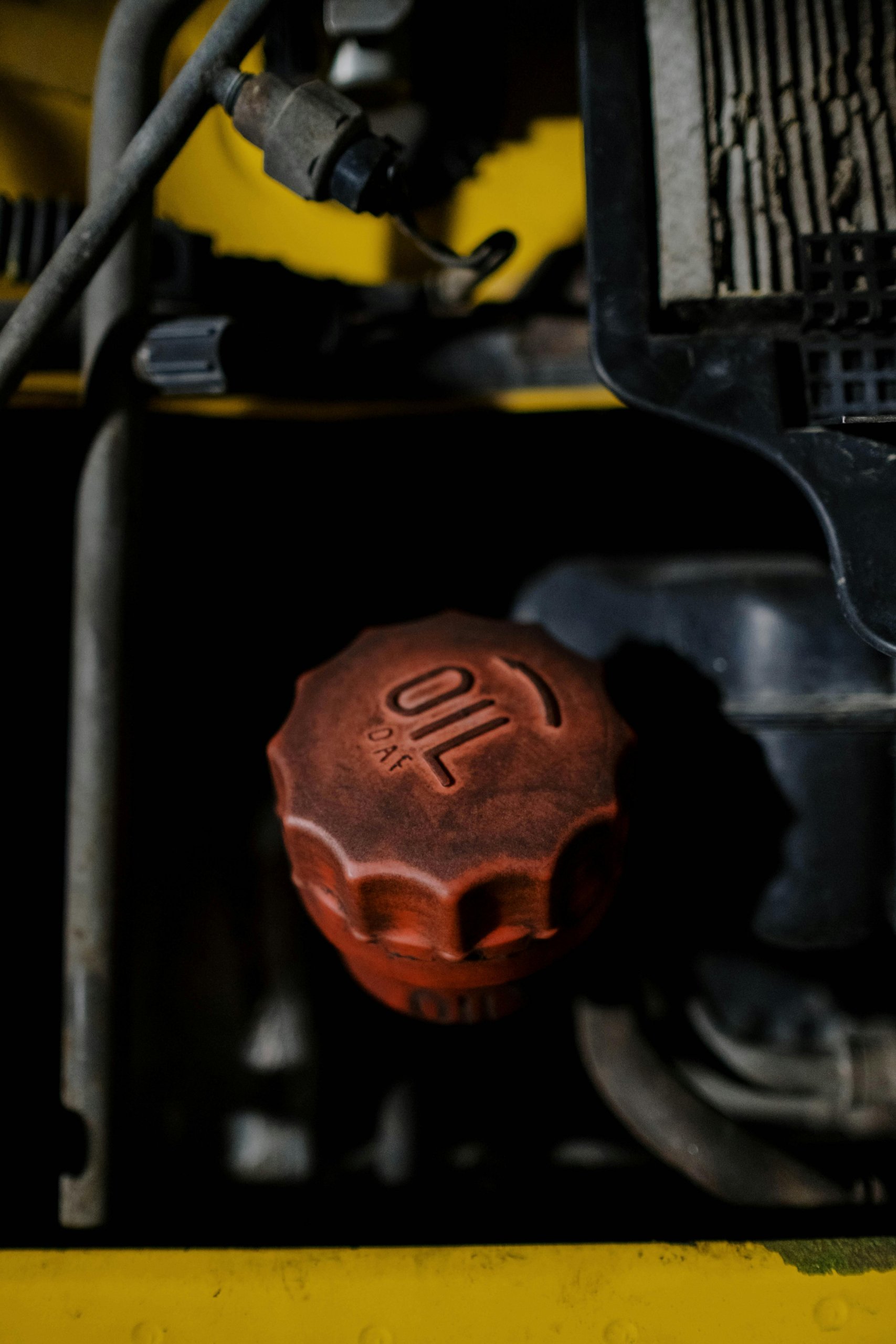
A close-up of a car's oil cap

It's always important to be aware of any changes in your vehicle's performance; take care of small problems before they become major (and expensive) issues.

Taking your vehicle into our service centre for regular oil checks is key to maintaining its health in the long-term. As engine oil ages, it loses its effectiveness thanks to a combination of reduced viscosity and contamination. This compromises its ability to properly lubricate, clean, cool, and protect your engine and coolant.

Below are some key indicators to look out for and identify whether your car needs an oil change, ultimately preventing serious engine problems and ensuring a smooth drive.

Check Engine or Oil Change Light

Modern vehicles come equipped with dashboard lights that will let you know when it's time for an oil change. The most obvious sign of an incoming oil change need is an illuminated oil change or check engine light. You can also check for yourself using a dipstick, which will indicate any potential leaks or oil degradation when the oil level drops below the minimum mark.

Don't ignore these warnings, as leaving them could lead to severe engine wear and tear.

Increased Engine Noise

If your engine is sounding louder than usual or making knocking sounds, it could mean that your oil is degrading and failing to properly lubricate your engine parts. This can harm your engine components in the long run and reduce their performance.

Dirty or Dark Oil

You can tell oil is fresh from its amber colour and slight translucence, a good indicator of high quality oil. Over time, however, engine oil becomes contaminated and dark, eventually losing its ability to lubricate effectively. If you're using a dipstick and find that your oil looks dark and murky, it's definitely time to bring it in for a check up.

Oil Smell Inside the Cabin

On average, the only thing you want to be smelling in your car is pine-scented air freshener. If you're sniffing out a strong oil smell on your drive, it's a safe bet that you're dealing with an oil leak. If the smell is also accompanied by gas or exhaust fumes, you'll want to get to our service centre ASAP, as this poses the risk of carbon monoxide poisoning and other severe problems.

Excessive Exhaust Smoke

Contrary to what some might think, excessive exhaust smoke does not mean that you're going impressively fast in your vehicle. Normally, exhaust should be fairly translucent, but if you notice that your exhaust smoke is thick and pluming, it could mean that you're dealing with engine problems or oil leaks.

How Often Should You Change The Oil in Your Car?

A mechanic performing an oil change on a vehicle

A good rule of thumb is to get your oil changed at least twice a year, even if you aren't driving it very often.

Knowing the right intervals to change your oil is an important part of maintaining your engine's health. Oil change intervals can vary based on manufacturer recommendations, driving habits, and the type of oil used.

Manufacturer Recommendations

Your vehicle’s manufacturer provides specific guidelines on oil change intervals, usually detailed in the Owner’s Manual. Following these recommendations helps keep your vehicle running smoothly and extends its lifespan.

For instance, conventional oil may require changing every 4,800 kilometres, while synthetic oils can last between 9,600 and 16,000 kilometres or more, depending on the manufacturer’s advice. Remember to always replace the oil filter during an oil change to maintain optimal engine performance.

Driving Habits and Conditions

Driving habits play a big role in how often you need to change your oil. If you frequently take short trips around Calgary, your engine might not reach its ideal operating temperature, which can cause the oil to break down faster. This can impact your vehicle’s overall performance over time.

On top of that, if you often haul heavy loads or drive in extreme weather conditions - like Calgary’s cold winters or hot summers - it puts extra strain on your engine and oil. This means you may need to change your oil more frequently to keep your engine’s moving parts protected and running smoothly.

Type of Engine Oil Used

The type of engine oil you use affects how often you need to change it. For example, conventional oil usually requires a change every 8,000 kilometres, while synthetic oil can last between 16,000 and 24,000 kilometres. Keeping up with regular oil changes is key to ensuring your vehicle’s engine runs smoothly and lasts longer. Understanding these intervals helps you maintain your car properly.

How to Check Your Oil Level

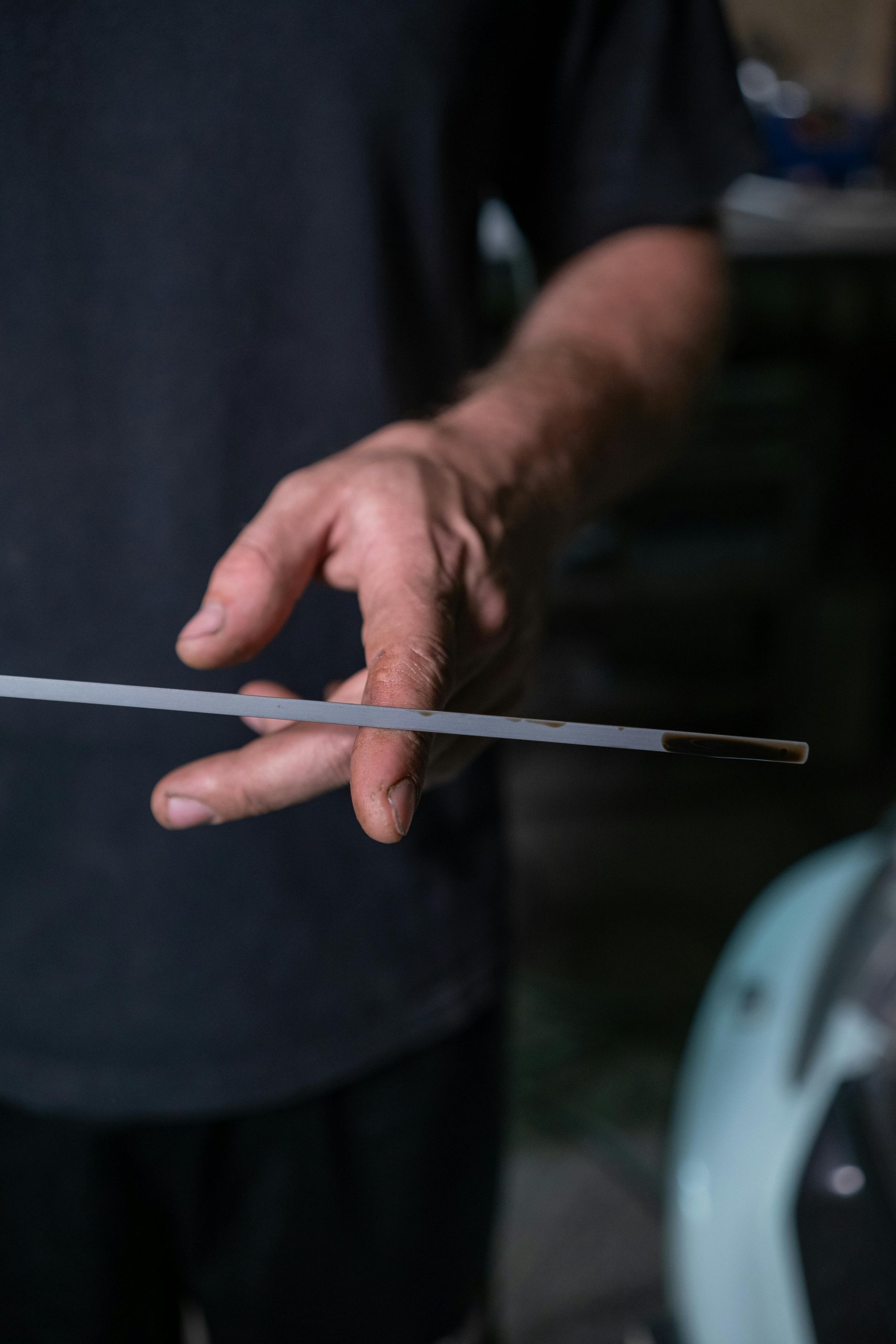
A mechanic checking oil levels using a dipstick

Learning how to correctly measure your oil levels using a dipstick is a fundamental part of responsible car ownership.

It's important to regularly check your oil levels to monitor oil quality and quantity, ensuring that you can get maintenance done in a timely manner and keep your vehicle running smoothly.

Using the Dipstick Properly

To properly check your oil level using a dipstick, first check that your vehicle is on level ground and that the engine is off. Then, pop the hood and locate the dipstick - take it out, give it a wipe, reinsert it, and then check the oil level based on where the oil stops on the stick.

Assessing Oil Color and Consistency

As we've previously mentioned, you'll know the engine oil is good and fresh when it's an amber colour and slightly translucent. If it's dark, gritty, or sludgy, that means that your oil is contaminated and should be replaced. Checking for coarseness or grittiness in oil is key to identifying contaminants.

Maintaining Optimal Oil Levels

Keeping your oil level within the marked range on the dipstick is essential for proper engine lubrication. Make sure it never falls below the minimum mark to maintain your engine’s best performance. At the same time, avoid overfilling, as too much oil can also cause issues.

Regularly checking your oil helps prevent potential engine problems and keeps your vehicle running smoothly.

Choosing the Right Oil for Your Car

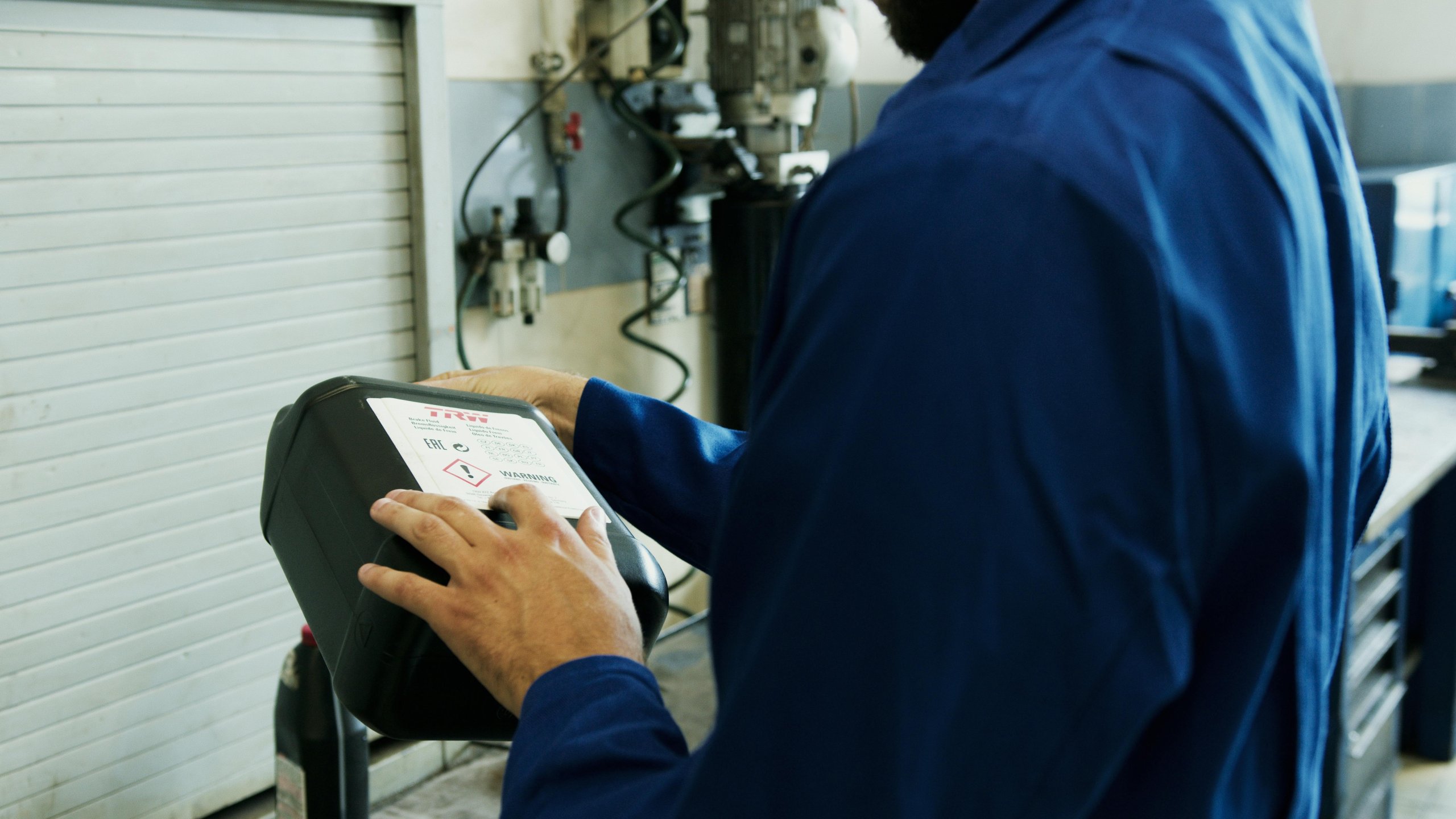
A mechanic examining the label on a bottle of engine oil

CMP Auto offers a wide range of high-quality engine oil options, suitable for a variety of makes and models.

Choosing the right oil is essential to keep your engine running smoothly here in Calgary. Make sure to pick an oil that meets the Society of Automotive Engineers (SAE) viscosity grade and complies with the necessary performance standards suited for our local driving conditions.

Conventional vs. Synthetic Oil: Which is Better?

There are two main types of motor oil: conventional and synthetic. Conventional oils are derived from crude oil, while synthetic oils are chemically modified for better performance and offer more consistent protection, particularly for modern engines.

You can also find synthetic blend oils, which offer the best of both worlds and combine synthetic and conventional oils to enhance performance. This type is great for resisting oxidation and offers more protection and performance, especially in extreme temperatures (ideal for Calgary's weather).

For older engines, there are also high-mileage oils, formulated specifically to address issues like oil leaks and burning. These types of oils contain additives that help restore seals and reduce oil consumption, promoting better overall engine health and potentially extending the lifespan of older vehicles.

Schedule an Oil Change Today at CMP Auto

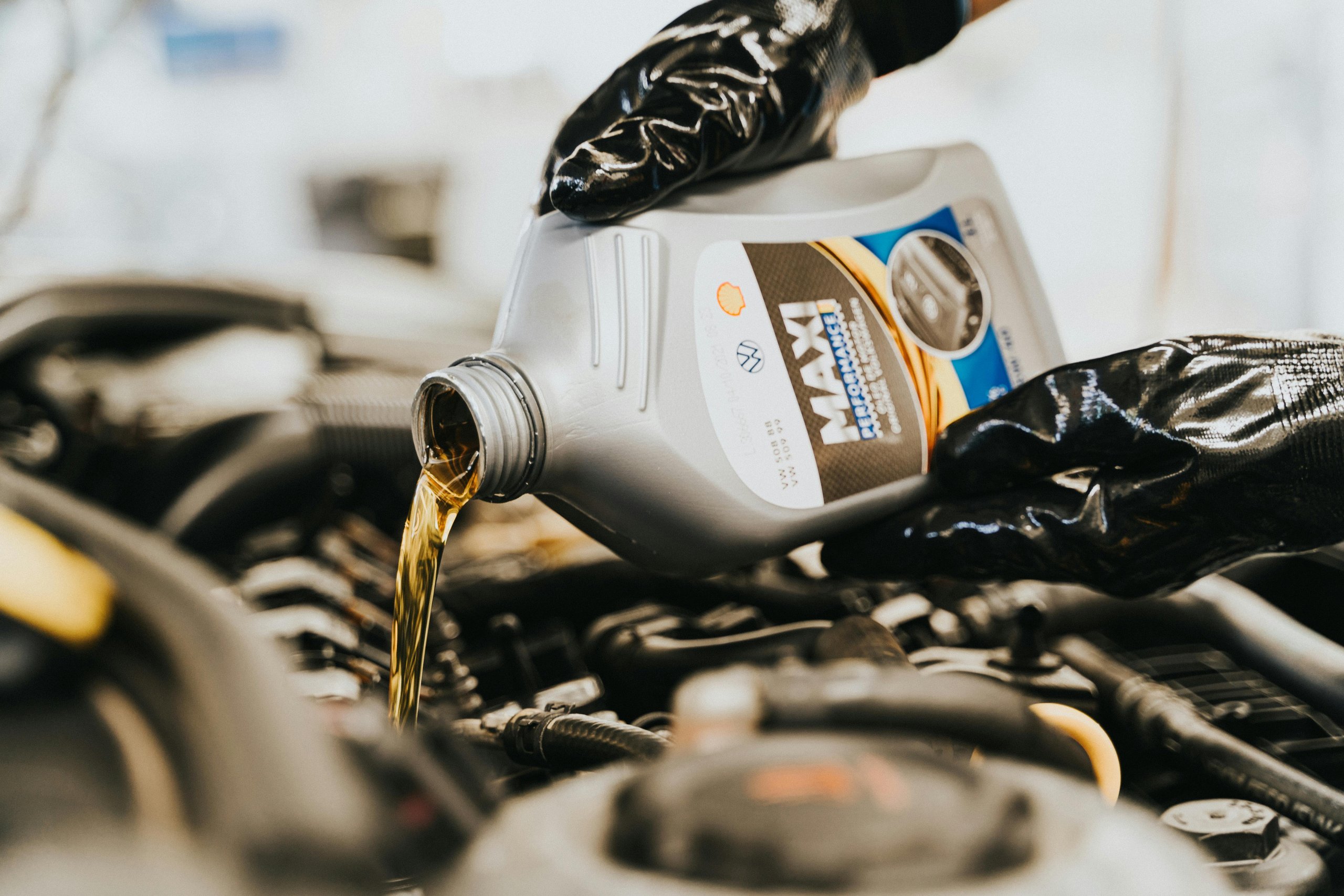
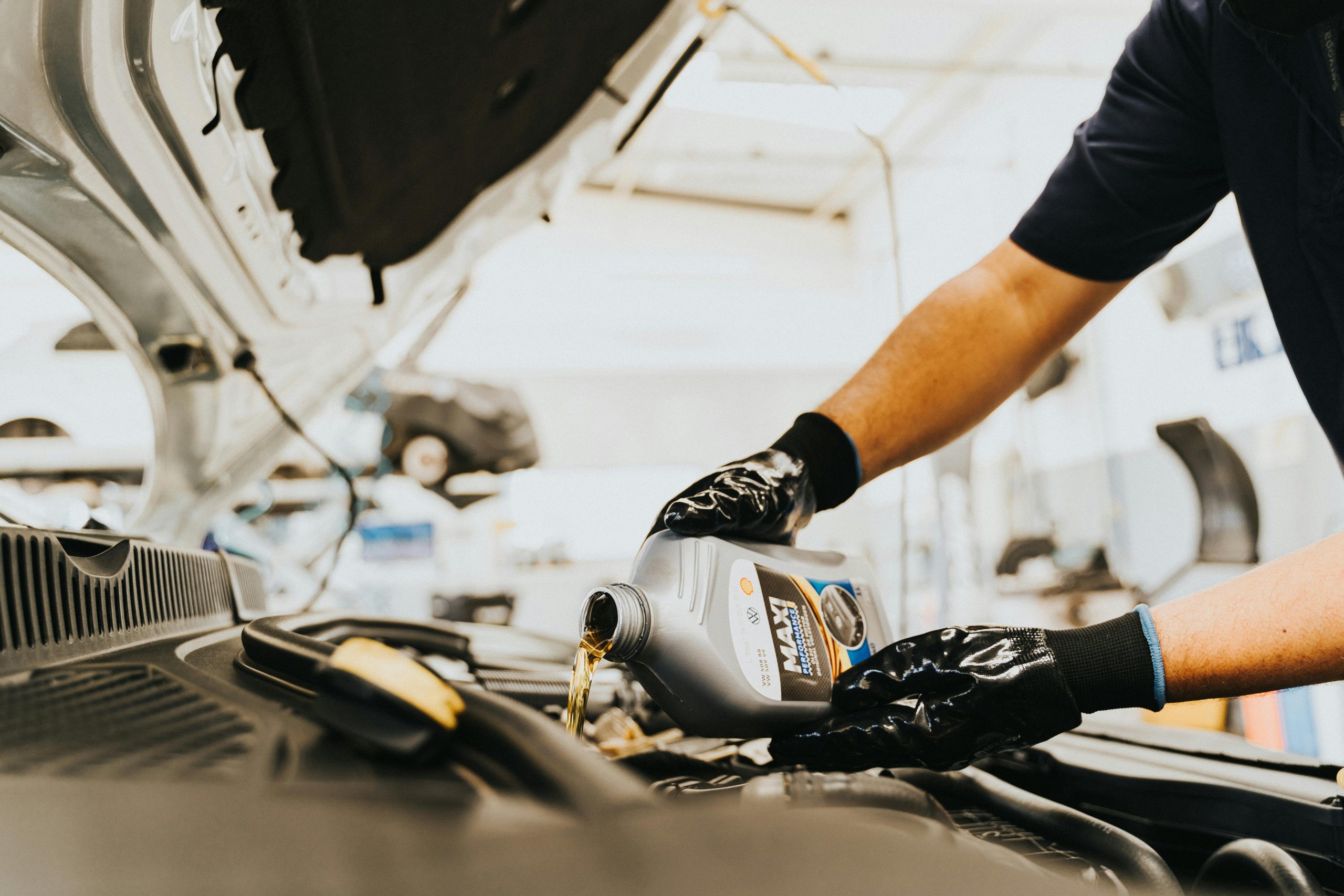
Close up of engine oil being poured into a vehicle

Schedule a service appointment online today or call CMP Auto to learn more about our services!
In short, regular oil changes are one of the most important steps in maintaining the health and performance of your vehicle. By recognizing the signs that indicate an oil change is needed, understanding the appropriate intervals, knowing how to check your oil level, and choosing the right oil, you can ensure your engine runs smoothly and efficiently.

Regular maintenance not only enhances performance and fuel efficiency but also prolongs the life of your engine. So, don’t wait, schedule an oil change at CMP Auto today and enjoy a reliable, smooth ride.

Frequently Asked Questions

Do engines last longer with synthetic oil?

On the whole, synthetic oil generally protects better over the long-term, since it flows smoother than conventional mineral oils. That said, for an older engine, this can mean a greater chance that your gears will grind, which makes a strong case for using conventional or high-mileage oil.

How often should I change my oil even if I haven't hit mileage?

Even if you don't drive very often and you aren't hitting the mileage intervals that we detailed before, it's still a good idea to get your oil changed twice a year. Even if your oil isn't dirty, the moisture buildup in your engine can still cause issues.

When is the best time to check my oil?

Ideally, you want to check your oil with a relatively cold engine. We'd recommend checking either before you turn on your vehicle or leaving it for 5-10 minutes after shutting it down for an accurate measurement.

When should I not use synthetic oil?

As we mentioned before, older engines might benefit more from conventional or high-mileage oil. In addition, if your vehicle has run on mineral oil all its life, then switching to synthetic might be too drastic a shift. If you've rebuilt it with fresh seals and gaskets though, making the switch shouldn't cause an issue.

Can I get an oil change without a filter change?

We wouldn't recommend it. Using an old filter with new oil can make a mess of your engine, possibly resulting in significant damage and shortening its lifespan.

About the Author

Amanda Dunn has been the Service Manager for CMP Auto since 2023, having previously worked with the service departments of Strathmore Ford, Airdrie Dodge, and Varsity Chrysler.

Read More
CATEGORIES »
TAGS »

12-19-17

Essential Winter Driving Tips For Navigating Roads Safely

Navigating icy roads in winter requires preparation and skill. This article provides essential winter driving tips that ensure your safety and your vehicle’s readiness for the coldest season. From maintaining your car to handling slippery conditions, learn how to face winter roads with confidence.

Key Notes For Those Who Are Short Of Time

  • Perform a winter vehicle checkup—inspect brakes, tires, and battery. Install winter wipers and stock up on antifreeze, de-icer, and washer fluid.
  • Select winter tires—studded for ice, non-studded for snow. Keep tire pressure correct and fuel tank at least half full to avoid freezing.
  • Learn winter driving techniques—steer into skids and carry emergency gear like traction aids, tow ropes, and jumper cables.
  • Respect and keep distance from snow plows and other vehicles in general. Yield to emergency vehicles and stay weather-aware.
  • Stay informed on weather updates and road conditions to adjust your driving accordingly.

winter driving tips

Preparing Your Vehicle for Winter Driving

Securing your vehicle against winter’s chill goes beyond the basic checkup. So, it's useful to discuss the specifics of winter vehicle preparation, which spans from monitoring tire pressure to maintaining windshield visibility and ensuring fuel system readiness.

Checking and Maintaining Tire Pressure

Maintaining the correct tire pressure is very important for winter driving safety. Here are some important things to remember:

  • Tire pressure can drop by approximately 1-2 PSI for every 10 degrees Celsius decrease in temperature.
  • Regular checks during winter are paramount.
  • Maintaining proper tire inflation is crucial for ensuring better traction, handling, and fuel efficiency, especially in cold weather conditions.

To measure tire pressure accurately, use a reliable tire gauge when tires are cold. This prevents inaccuracies caused by temporary increases in pressure due to heat from driving. It’s also recommended to perform monthly tire pressure checks. This helps identify slow leaks and prevent potential flat tires as part of routine tire maintenance.

Ensuring Windshield Visibility

When it comes to winter driving safety, visibility is everything. A clear view of the road can be the difference between a safe journey and a potentially dangerous situation. For this reason, using winter-formulated windshield washer fluid, which can endure temperatures as low as -30 to -40 degrees Celsius, is necessary to prevent freezing.

Filling the windshield washer fluid reservoir with a fluid formulated for low temperatures can prevent it from freezing and avoid potential damage. De-icing windshield washer fluids contain antifreeze to melt snow and ice on the windshield, aiding visibility during winter driving conditions.

Don’t forget to keep additional windshield washer fluid in the vehicle, as usage can increase quite a bit in winter. Make sure it’s also part of your emergency kit for regular top-ups.

Fuel System Readiness

Just as it’s crucial to maintain tire pressure and windshield visibility, it’s equally important to keep your vehicle’s fuel system winter-ready. One of the key tips here is to keep the fuel tank at least half full. This helps in preventing condensation, reducing moisture and the likelihood of fuel line freeze-up during winter.

To avoid fuel line freeze-up in colder months, you can take the following steps:

  • Avoid ethanol-blended fuels
  • Use fuel line antifreeze products or additives
  • Use de-icers
  • Keep gas-line antifreeze in your vehicle’s emergency kit

These measures can help lower the probability of moisture problems and reduce the chances of fuel line freeze-up.

winter driving tips

Selecting and Caring for Winter Tires

Winter tires are not just a car accessory but a lifeline when you’re navigating icy roads. We’ll discuss in detail how to choose and care for winter tires, comprehend their benefits, and make informed decisions between studded and non-studded options.

The Importance of Snow Tires

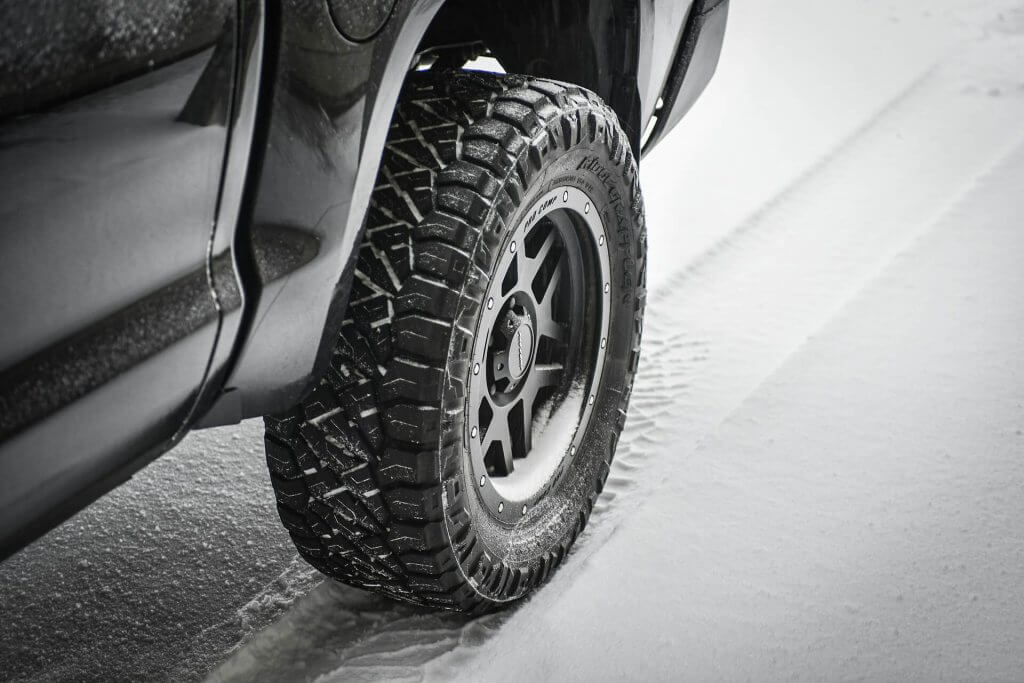
Winter tires are indispensable for safety and traction on icy roads. While all-season tires can manage mild winter conditions, they compromise on maximum performance capabilities in summer and winter extremes. Winter tires, on the other hand, are engineered to remain flexible in extreme cold, providing better traction than all-season tires, which stiffen and lose grip.

Winter tires are designed to enhance safety while navigating the icy roads of winter. Their unique features include deeper tread depths that provide a better grip on snow, distinct tread patterns specifically engineered to channel away slush and snow, and a high density of biting edges and sipes. These thousands of tiny slits in the tread are what give winter tires their ability to cling to ice, offering drivers a more secure and controlled driving experience during the colder months.

Studs or No Studs?

When it comes to winter tires, there’s the eternal debate – studs or no studs? Both studded and non-studded winter tires have their own advantages for driving in severe snow conditions. Studded tires use metal studs that can dig into the ice, providing superior grip in icy conditions.

Non-studded winter tires, on the other hand, offer improved traction on ice without the use of metal studs. They use special compounds like a multi-cell compound to remove water on ice, similar to the Bridgestone Blizzak. While studded tires are advantageous on clear ice, non-studded tires can provide sufficient traction and are less damaging to road surfaces, making them a suitable option for a variety of severe snow conditions. Before you decide whether or not studded tires are for you, check if they are legal to use in your province or territory.

winter driving tips

Mastering the Art of Winter Driving

Mastering the art of winter driving doesn’t happen overnight, but understanding the techniques can make a significant difference.

Steering Through Slippery Situations

Steering through slippery situations is perhaps one of the most challenging aspects of winter driving. The key is to maintain traction and control by practicing gentle acceleration and deceleration and avoiding rapid movements, especially when making turns. It’s crucial to remember that even winter tires can slide on ice. When experiencing a skid, it’s important to avoid downshifting and release the brakes. Instead, focus on steering in the direction you want to go.

To recover from a slide, follow these steps:

  1. Focus your eyes on the direction you want the car to travel. It aids in steering during a skid.
  2. Turning the steering wheel in the direction of the skid can correct a rear-wheel skid.
  3. Be prepared to make additional steering adjustments as the vehicle may oscillate in the opposite direction after correcting a slide.
  4. Remember, steer smoothly and avoid panic movements to prevent overcorrection of a slide, which can lead to an unrecoverable spin.

Cruise Control Considerations

Cruise control is a popular feature for long drives, but it requires careful consideration during winter. It should be avoided on wet, icy, or slippery roads to maintain direct control of the vehicle. Driving near overpasses or in shaded areas where ice may be present requires avoiding cruise control due to rapidly changing road conditions.

Unintended acceleration during wheel spin on slippery surfaces caused by cruise control can lead to the loss of control of the vehicle. Thankfully, electronic stability control systems in modern vehicles will disengage cruise control automatically in the event of wheel slip or if the vehicle begins to spin. So, while cruise control can be helpful, it’s crucial to understand its limitations in winter conditions.

winter driving tips

Building the Ultimate Car Emergency Kit

Having a car emergency kit is not just a precaution, it’s a necessity for winter driving. It can make a significant difference in an unexpected situation.

We’ll discuss the essential items for your car emergency kit, including a first aid kit.

Must-Have Items for Your Kit

A well-prepared car emergency kit can be a lifesaver during winter driving, especially in more remote locations. You should consider including the following items:

  • Traction assistance items such as sand, salt, or non-clumping cat litter for generating traction
  • A tow rope for potential vehicle rescues
  • Jumper cables or a booster for a dead battery
  • A fire extinguisher for safety
  • Visible warning light or road flares for signaling
  • Extra fuses for electrical system contingencies
  • Wool or other warm blankets, in case you get stuck for a longer period

In addition to these, don’t forget to pack hand and foot warmers, bottled water, and energy-boosting non-perishable food items like granola bars. These personal safety and comfort items can make a significant difference during a roadside emergency in winter. With a well-prepared emergency kit, you are ready to tackle any unexpected situations that winter driving might throw your way.

winter driving tips

Safe Maneuvering Around Snow Plows and Emergency Vehicles

Navigating around snow plows and emergency vehicles in snowy and icy conditions is something every winter driver should master.

We’ll detail the strategies for safely navigating around snow plows and yielding to emergency responders.

Respect the Plow

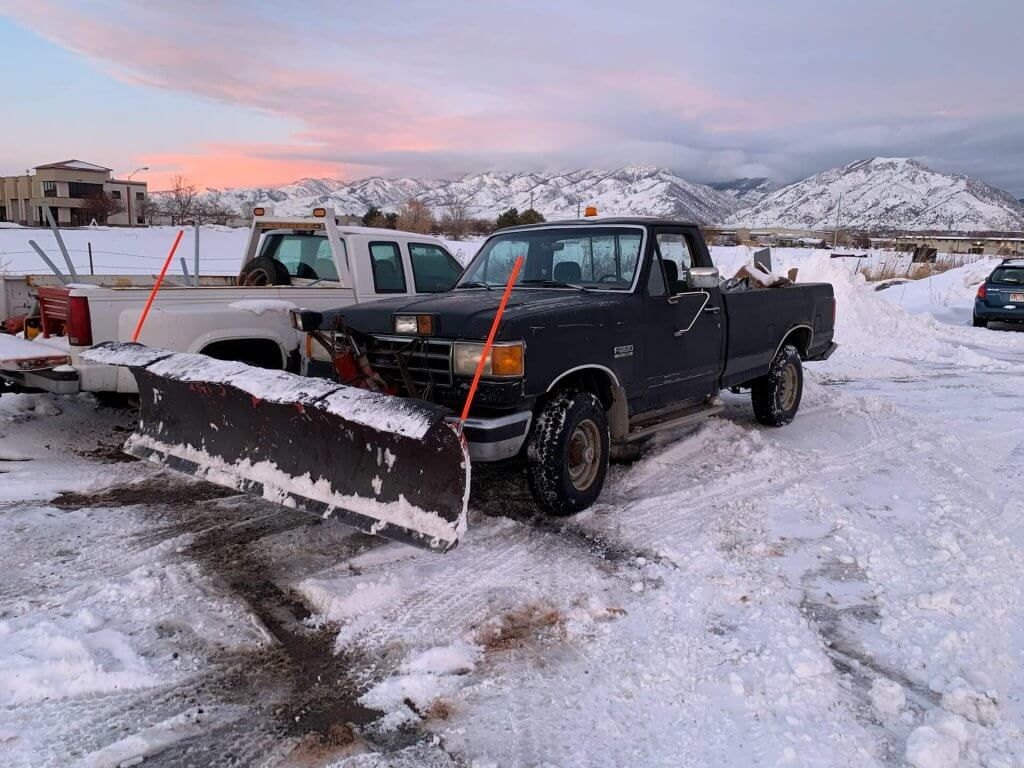
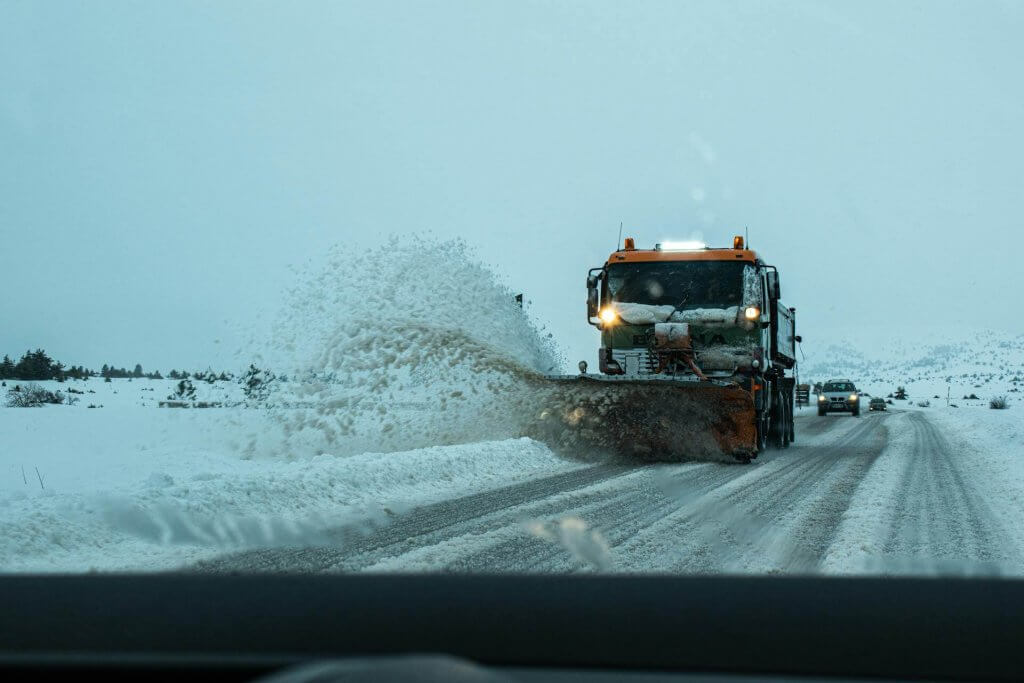
Snow plows play a crucial role in ensuring our roads are safe for driving during winter. However, driving near them can significantly reduce visibility due to blowing snow. It’s important to wait for snow plows to finish their job before attempting to pass since roads are plowed in sections and the roadway ahead may be unsafe.

Remember, when driving in snowy conditions, it’s important to:

  • Not pass snow plows in formation, as it is illegal and can result in receive a $324 fine and 3 demerits in Alberta.
  • Maintain a safe distance behind snow plows due to potential poor visibility and the heavy equipment they carry.
  • Be aware that snow plows may extend a wing up to 3 meters to clear multiple lanes, increasing risks for nearby vehicles.

In short, respect the plow for a safe winter driving experience.

winter driving tips

Yielding to Emergency Responders

Emergency responders are vital for maintaining safety on the roads, particularly during the harsh winter months in Alberta. Adhering to the Alberta Traffic Safety Act is essential when yielding to these vehicles. When you hear a siren or see lights flashing from an emergency vehicle, such as an ambulance, fire truck, or police car, you are required to:

  • Immediately clear any intersection
  • If on a road with one or two lanes, move your vehicle to the right side of the road
  • On roads with three or more lanes, take your vehicle to the nearest side of the road. If you're in the center lane, ensure you move to the right side
  • Stop your vehicle until the emergency vehicle has passed, always checking for any additional emergency vehicles that may be approaching

It is also critical to note that following within 150 meters of any emergency vehicle that has its siren or lights operating is prohibited.

Adapting to Changing Winter Weather Conditions

The unpredictability of winter weather can exacerbate driving challenges, especially during bad weather conditions. However, with a strategic approach, you can adapt to fluctuating winter weather conditions. It starts with staying updated with the weather forecast. This can provide essential information on the weather conditions to be encountered, which aids in proper dressing for the cold.

Staying informed with ongoing emergency weather updates and road closure information through channels like local weather services or 511 Alberta can inform travelers about current conditions and assist in making safe travel decisions. Moreover, before embarking on a journey, checking updated road alerts and advisories for the planned route is essential to prepare for any disruptions or hazardous driving conditions.

winter driving tips

To Conclude

Through this extensive guide, we hope that the information provided will help you navigate the icy roads safely. Safe travels!

Why You Can Trust Our Opinion

At CMP Auto, safe winter driving is more than just advice – it’s our expertise. As a leading GMC, Chevy, and Buick dealership in Calgary, we’ve experienced the winter conditions firsthand. Trust us to guide you through safe winter driving.

Frequently Asked Questions

How can I improve my driving in snow?

To improve your driving in snow, drive slowly, leave plenty of distance between vehicles, and consider getting winter tires for better traction on wet, slushy, or icy surfaces. Remember to check your tires and tire pressure regularly, especially in colder weather.

How should you drive safely when it is snowing?

To drive safely when it's snowing, remember to drive slowly, maintain a safe distance between vehicles, and consider getting winter tires for better traction on icy roads. Stay safe on the road!

How important is tire pressure while driving in winter?

Proper tire pressure is crucial for safe winter driving, as it ensures better traction, handling, and fuel efficiency.

What should I include in my car emergency kit for winter?

Make sure to include traction assistance items, vehicle maintenance items, and personal safety items in your car emergency kit for winter. This will help you stay prepared for any unexpected situations on the road.


At CMP Auto, we want to help answer all of your winter driving questions. Whether you are looking for a vehicle that is equipped to handle the worst weather that winter can bring, or if you simply want to know what windshield wipers you need, we are here to assist you. To get answers to your winter weather driving questions, stop by our dealership (located at 1313 - 36th St. N.E. in Calgary), or contact us by phone at 403-207-1000.

Read More
CATEGORIES »
TAGS »

Driving Tips Archives - CMP Auto

Contact Us:

Name:
Email:
Message: