Consistent maintenance is vital to ensuring that your brand new or used vehicle runs in top condition for as long as possible.
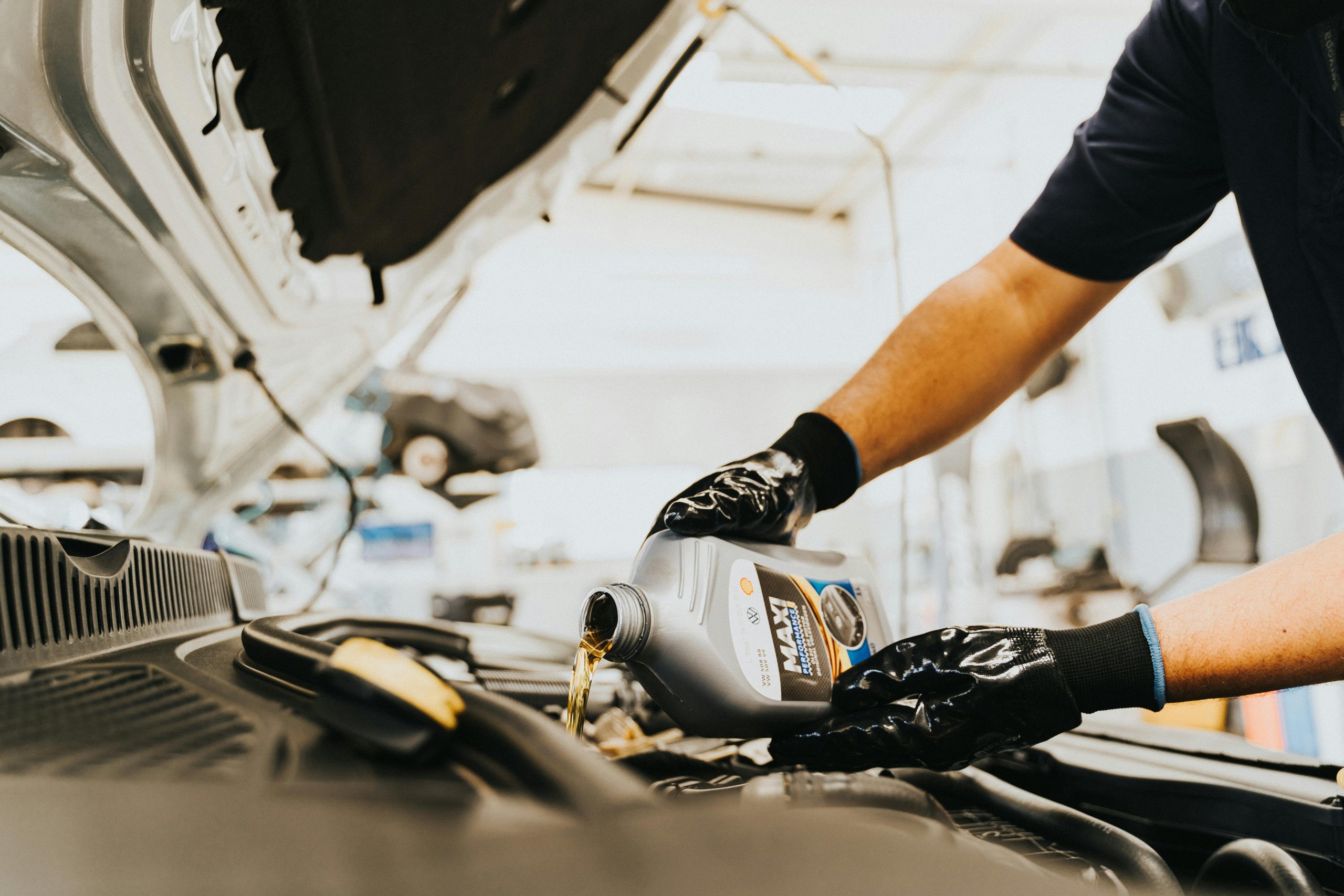
One of the most important steps is to make sure you're getting regular oil changes from certified experts (like you'll find at our service centre here at CMP Auto!) You’ll discover the signs of old oil and recommended intervals in this guide. Keep your car’s engine in top shape by knowing when it’s time for an oil change.
Brief Summary
Look out for signs like increased engine noise, dark or dirty oil, the smell of oil in the cabin, and excessive exhaust smoke as indicators that your car needs an oil change.
Aside from this, it's important to follow the vehicle manufacturer's recommended oil change intervals, as well as schedule regular maintenance with the trusted service technicians at CMP Auto to ensure that your oil is swapped out at the right time.
In the long-run, this will maintain engine health, improve fuel efficiency, reduce wear and tear, and extend your vehicle’s lifespan.
Why Does My Vehicle Need An Oil Change?

The certified technicians at CMP Auto are always on hand to keep your car running in tip top shape, whether through a simple oil change or more extensive maintenance and service.
Frequent oil changes at CMP Auto are incredibly important for your vehicular health, especially for drivers in Calgary. The city's varied climate - with cold winters and hot summers - puts extra strain on your engine oil. Regular changes help protect and cool engine parts, prevent premature aging, and enhance overall performance, ensuring your vehicle handles Calgary's unique driving conditions smoothly.
Picking the right engine oil is key to making sure your car lasts longer and runs at its best. Clean oil keeps your engine running smoothly by reducing friction and wear. Oil changes help maintain your vehicle’s performance, improve fuel efficiency, and lessen the strain on your engine.
They also improve fuel efficiency by reducing engine workload. This means better gas mileage and less frequent trips to the pump, saving you money in the long run.
Finally, getting your oil changed helps reduce wear and tear, keeping your engine running longer. Clean oil ensures everything operates smoothly by minimizing friction and boosting overall engine performance. These advantages all add up to a healthier, longer-lasting engine.
What Are The Signs That Your Car Needs an Oil Change?
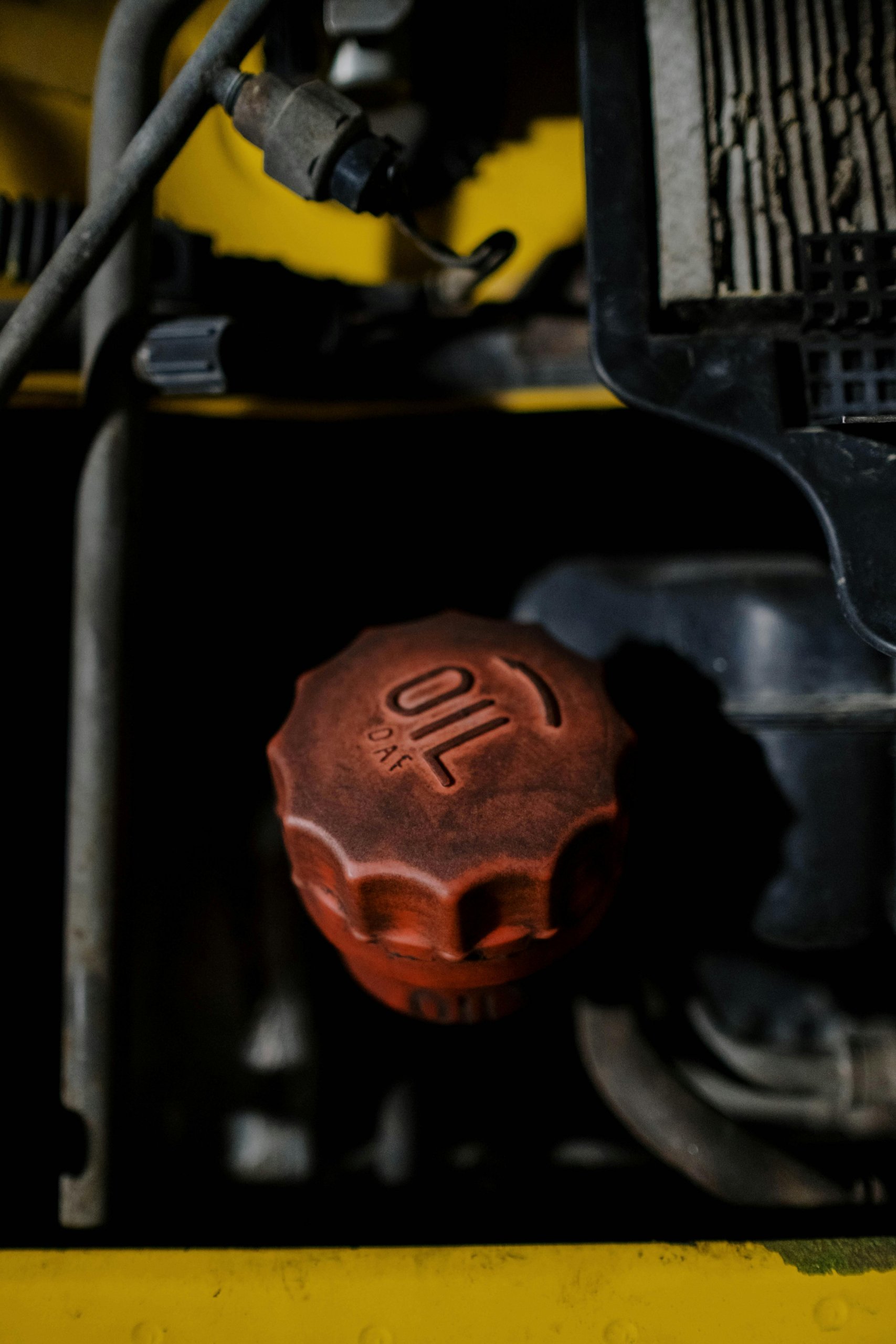
It's always important to be aware of any changes in your vehicle's performance; take care of small problems before they become major (and expensive) issues.
Taking your vehicle into our service centre for regular oil checks is key to maintaining its health in the long-term. As engine oil ages, it loses its effectiveness thanks to a combination of reduced viscosity and contamination. This compromises its ability to properly lubricate, clean, cool, and protect your engine and coolant.
Below are some key indicators to look out for and identify whether your car needs an oil change, ultimately preventing serious engine problems and ensuring a smooth drive.
Check Engine or Oil Change Light
Modern vehicles come equipped with dashboard lights that will let you know when it's time for an oil change. The most obvious sign of an incoming oil change need is an illuminated oil change or check engine light. You can also check for yourself using a dipstick, which will indicate any potential leaks or oil degradation when the oil level drops below the minimum mark.
Don't ignore these warnings, as leaving them could lead to severe engine wear and tear.
Increased Engine Noise
If your engine is sounding louder than usual or making knocking sounds, it could mean that your oil is degrading and failing to properly lubricate your engine parts. This can harm your engine components in the long run and reduce their performance.
Dirty or Dark Oil
You can tell oil is fresh from its amber colour and slight translucence, a good indicator of high quality oil. Over time, however, engine oil becomes contaminated and dark, eventually losing its ability to lubricate effectively. If you're using a dipstick and find that your oil looks dark and murky, it's definitely time to bring it in for a check up.
Oil Smell Inside the Cabin
On average, the only thing you want to be smelling in your car is pine-scented air freshener. If you're sniffing out a strong oil smell on your drive, it's a safe bet that you're dealing with an oil leak. If the smell is also accompanied by gas or exhaust fumes, you'll want to get to our service centre ASAP, as this poses the risk of carbon monoxide poisoning and other severe problems.
Excessive Exhaust Smoke
Contrary to what some might think, excessive exhaust smoke does not mean that you're going impressively fast in your vehicle. Normally, exhaust should be fairly translucent, but if you notice that your exhaust smoke is thick and pluming, it could mean that you're dealing with engine problems or oil leaks.
How Often Should You Change The Oil in Your Car?

A good rule of thumb is to get your oil changed at least twice a year, even if you aren't driving it very often.
Knowing the right intervals to change your oil is an important part of maintaining your engine's health. Oil change intervals can vary based on manufacturer recommendations, driving habits, and the type of oil used.
Manufacturer Recommendations
Your vehicle’s manufacturer provides specific guidelines on oil change intervals, usually detailed in the Owner’s Manual. Following these recommendations helps keep your vehicle running smoothly and extends its lifespan.
For instance, conventional oil may require changing every 4,800 kilometres, while synthetic oils can last between 9,600 and 16,000 kilometres or more, depending on the manufacturer’s advice. Remember to always replace the oil filter during an oil change to maintain optimal engine performance.
Driving Habits and Conditions
Driving habits play a big role in how often you need to change your oil. If you frequently take short trips around Calgary, your engine might not reach its ideal operating temperature, which can cause the oil to break down faster. This can impact your vehicle’s overall performance over time.
On top of that, if you often haul heavy loads or drive in extreme weather conditions - like Calgary’s cold winters or hot summers - it puts extra strain on your engine and oil. This means you may need to change your oil more frequently to keep your engine’s moving parts protected and running smoothly.
Type of Engine Oil Used
The type of engine oil you use affects how often you need to change it. For example, conventional oil usually requires a change every 8,000 kilometres, while synthetic oil can last between 16,000 and 24,000 kilometres. Keeping up with regular oil changes is key to ensuring your vehicle’s engine runs smoothly and lasts longer. Understanding these intervals helps you maintain your car properly.
How to Check Your Oil Level
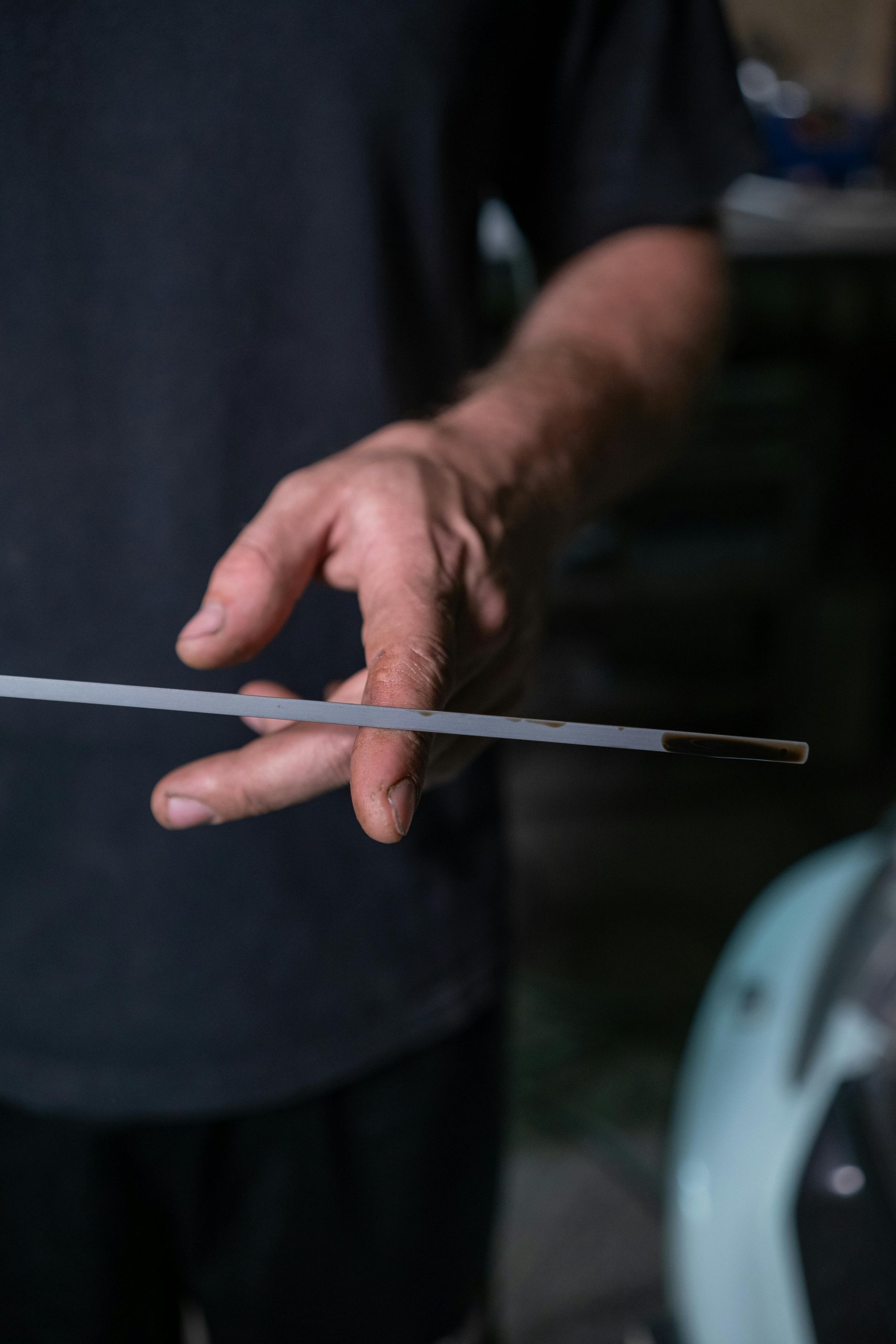
Learning how to correctly measure your oil levels using a dipstick is a fundamental part of responsible car ownership.
It's important to regularly check your oil levels to monitor oil quality and quantity, ensuring that you can get maintenance done in a timely manner and keep your vehicle running smoothly.
Using the Dipstick Properly
To properly check your oil level using a dipstick, first check that your vehicle is on level ground and that the engine is off. Then, pop the hood and locate the dipstick - take it out, give it a wipe, reinsert it, and then check the oil level based on where the oil stops on the stick.
Assessing Oil Color and Consistency
As we've previously mentioned, you'll know the engine oil is good and fresh when it's an amber colour and slightly translucent. If it's dark, gritty, or sludgy, that means that your oil is contaminated and should be replaced. Checking for coarseness or grittiness in oil is key to identifying contaminants.
Maintaining Optimal Oil Levels
Keeping your oil level within the marked range on the dipstick is essential for proper engine lubrication. Make sure it never falls below the minimum mark to maintain your engine’s best performance. At the same time, avoid overfilling, as too much oil can also cause issues.
Regularly checking your oil helps prevent potential engine problems and keeps your vehicle running smoothly.
Choosing the Right Oil for Your Car

CMP Auto offers a wide range of high-quality engine oil options, suitable for a variety of makes and models.
Choosing the right oil is essential to keep your engine running smoothly here in Calgary. Make sure to pick an oil that meets the Society of Automotive Engineers (SAE) viscosity grade and complies with the necessary performance standards suited for our local driving conditions.
Conventional vs. Synthetic Oil: Which is Better?
There are two main types of motor oil: conventional and synthetic. Conventional oils are derived from crude oil, while synthetic oils are chemically modified for better performance and offer more consistent protection, particularly for modern engines.
You can also find synthetic blend oils, which offer the best of both worlds and combine synthetic and conventional oils to enhance performance. This type is great for resisting oxidation and offers more protection and performance, especially in extreme temperatures (ideal for Calgary's weather).
For older engines, there are also high-mileage oils, formulated specifically to address issues like oil leaks and burning. These types of oils contain additives that help restore seals and reduce oil consumption, promoting better overall engine health and potentially extending the lifespan of older vehicles.
Schedule an Oil Change Today at CMP Auto
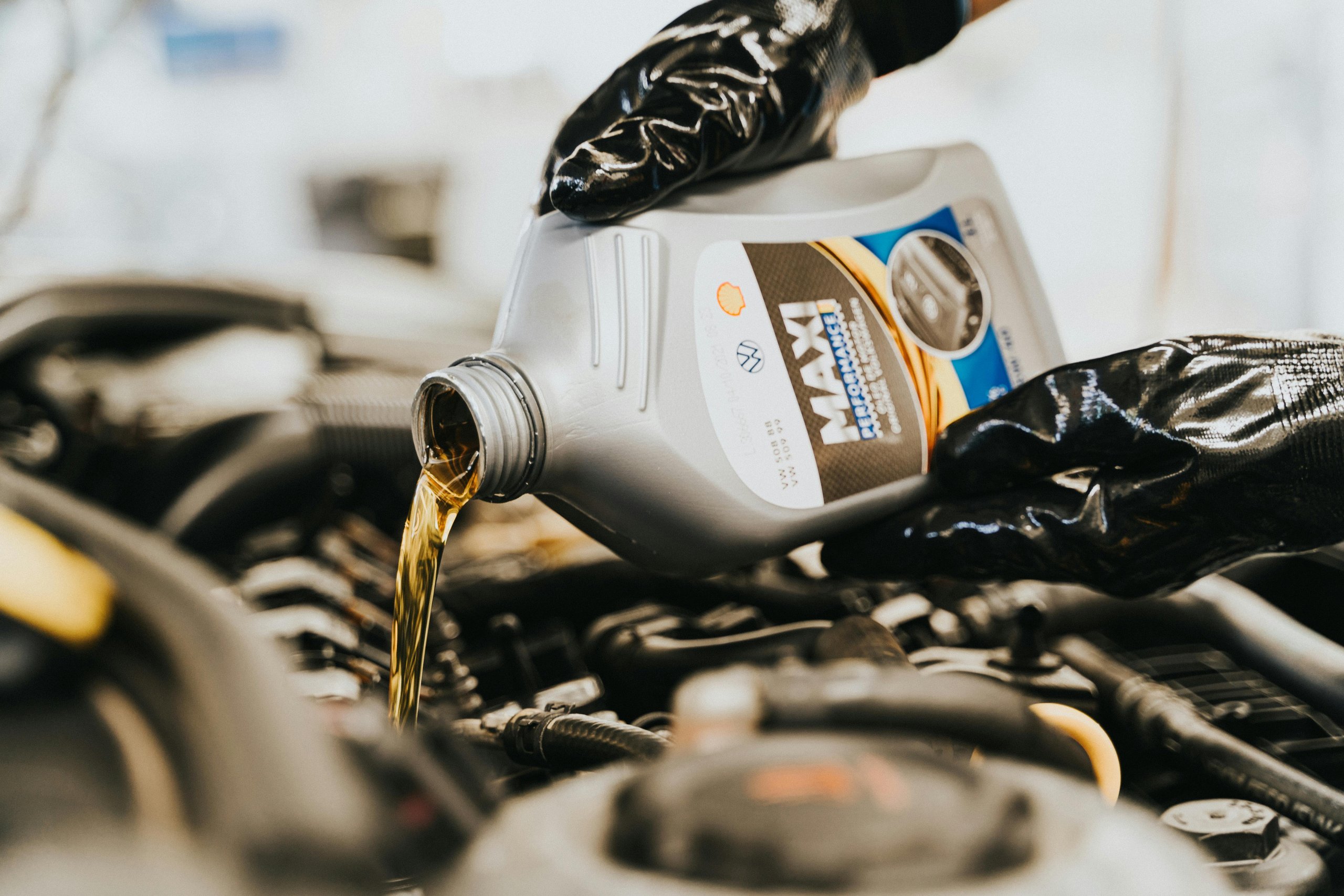
Schedule a service appointment online today or call CMP Auto to learn more about our services!
In short, regular oil changes are one of the most important steps in maintaining the health and performance of your vehicle. By recognizing the signs that indicate an oil change is needed, understanding the appropriate intervals, knowing how to check your oil level, and choosing the right oil, you can ensure your engine runs smoothly and efficiently.
Regular maintenance not only enhances performance and fuel efficiency but also prolongs the life of your engine. So, don’t wait, schedule an oil change at CMP Auto today and enjoy a reliable, smooth ride.
Frequently Asked Questions
Do engines last longer with synthetic oil?
On the whole, synthetic oil generally protects better over the long-term, since it flows smoother than conventional mineral oils. That said, for an older engine, this can mean a greater chance that your gears will grind, which makes a strong case for using conventional or high-mileage oil.
How often should I change my oil even if I haven't hit mileage?
Even if you don't drive very often and you aren't hitting the mileage intervals that we detailed before, it's still a good idea to get your oil changed twice a year. Even if your oil isn't dirty, the moisture buildup in your engine can still cause issues.
When is the best time to check my oil?
Ideally, you want to check your oil with a relatively cold engine. We'd recommend checking either before you turn on your vehicle or leaving it for 5-10 minutes after shutting it down for an accurate measurement.
When should I not use synthetic oil?
As we mentioned before, older engines might benefit more from conventional or high-mileage oil. In addition, if your vehicle has run on mineral oil all its life, then switching to synthetic might be too drastic a shift. If you've rebuilt it with fresh seals and gaskets though, making the switch shouldn't cause an issue.
Can I get an oil change without a filter change?
We wouldn't recommend it. Using an old filter with new oil can make a mess of your engine, possibly resulting in significant damage and shortening its lifespan.
About the Author
Amanda Dunn has been the Service Manager for CMP Auto since 2023, having previously worked with the service departments of Strathmore Ford, Airdrie Dodge, and Varsity Chrysler.